
When you first hear a term like structurespy com, it might sound like a niche tech tool or a dedicated platform for engineers. That makes sense — the name evokes structure and insight, hinting at a resource where complex systems are explored, explained, and broken down. But what is it exactly, and is it worth your time? Let’s unpack its role, usability, strengths, limitations, and practical value in everyday learning and project workflows.
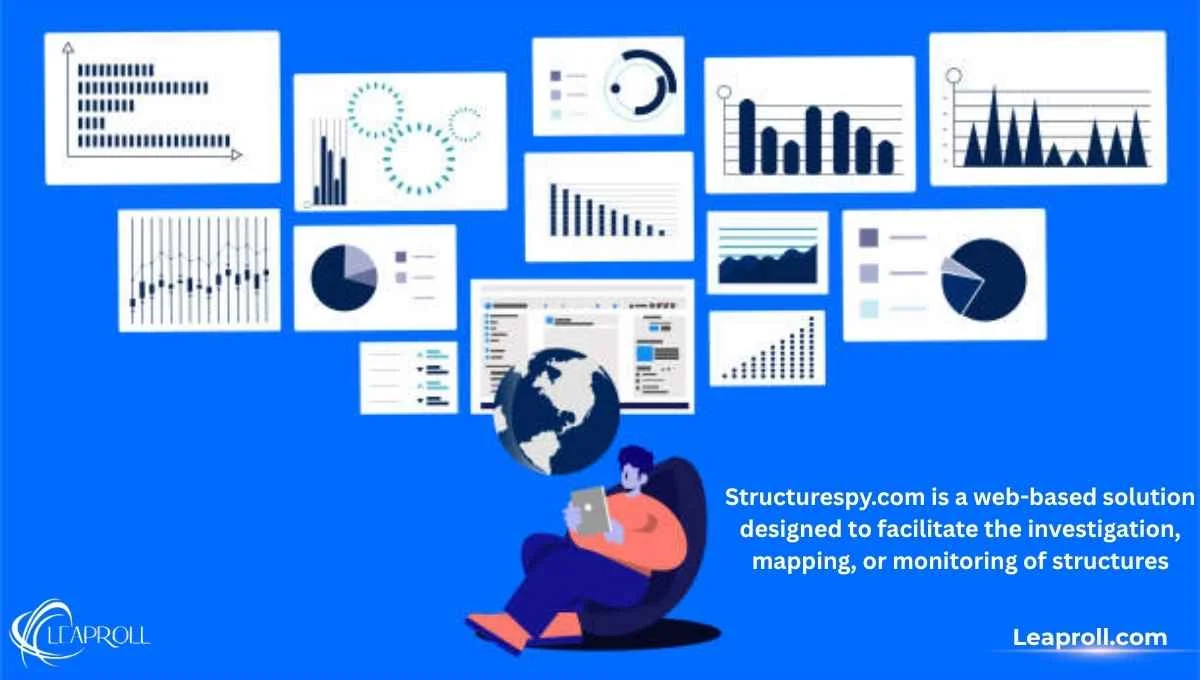
At its simplest, StructureSpy.com is a browser‑accessible site that claims to offer educational articles, general insights, and content related to structures, design, engineering, and occasionally digital system frameworks. Some entries dig into how bridges distribute forces, why high‑rise buildings sway, or what goes into planning a stadium. But the reality is a little more nuanced — and far from fully specialized.
What You’ll Find There
Depending on where you look, the platform appears to function like a content hub or blog that covers structural topics — from skyscraper basics to simplified engineering explanations — sometimes alongside unrelated posts on tech tools, reviews, or lifestyle information.
A real‑world scenario: imagine a civil engineering student searching for a quick refresher on truss systems before an exam. They navigate to StructureSpy.com expecting diagrams, case studies, or real calculations, only to find a high‑level article with limited depth. That’s helpful for basic understanding, but it doesn’t replace professional materials or accredited textbooks.
Personally, I once clicked into a structurespy com page hoping to review a complex bridge analysis and ended up browsing general content that wasn’t deeply technical — a reminder that the site’s focus is quite broad compared with established engineering portals.
Below, we’ll clarify what this mix of content means for users — and how it stacks up against more specialized alternatives.
A Side‑by‑Side Look: StructureSpy.com vs. Typical Engineering Resources
Here’s a quick comparison you’ll find useful if you’re deciding where to invest your time for learning or project planning:
| Aspect | StructureSpy.com | Dedicated Engineering Tools |
|---|---|---|
| Content Depth | Introductory, varied topics | In‑depth, technical precision |
| Target Audience | Casual learners, beginners | Professionals, advanced students |
| Visual Aids | Basic or limited | Detailed diagrams, simulations |
| Professional Use | Not suitable for regulatory work | Designed for compliance and design |
| Editorial Transparency | Often lacks clear authorship | Peer‑reviewed or expert‑authored |
| Trustworthiness | Mixed credibility | High, industry standards |
This smooth comparison helps you navigate expectations. If your goals include surface‑level understanding or broad ideas, the site has some material that might spark curiosity. But for anything requiring rigor or professional credibility, it’s smart to look elsewhere.
Exploring What the Platform Tries to Deliver
Most content you’ll find leans toward high‑level explanations, broad overviews, and approachable snippets on topics like:
-
How different structural systems work
-
Why certain designs are favored in architecture
-
Basic load paths in bridges and buildings
-
Simplified introductions to structural terms
This type of content can be excellent for beginners or casual readers, because it avoids heavy jargon and technical commitment. Think of it as a way to preview how bridges bear weight or why columns must be spaced carefully.
Yet, while these posts have educational value on the surface, they don’t substitute for textbooks, certified training, or software that actually computes loads, deflections, or stability under real constraints.
Mixed Content: Strength or Confusion?
One thing that sets structurespy com apart from a pure engineering portal is its mixed‑topic approach. You might find a structural overview next to an unrelated piece on tech reviews or general digital tips. Some reviewers have pointed this out as evidence that the site operates more like a content‑driven SEO hub than a focused engineering resource.
That’s not necessarily a bad thing — it just means the site isn’t laser‑targeted toward a professional niche. Think of it as a general knowledge corner rather than a precision tool for structural analysis.
Who Might Benefit Most From It
Here’s where the platform shines:
-
Students looking for simple explanations of basic structural ideas
-
Curious readers who enjoy learning about design challenges
-
Anyone seeking accessible narratives on structures without heavy formulas
This makes it a starting point for conceptual curiosity, sort of like dipping your toes into architecture or engineering concepts before committing to more advanced study.
The Limitations You Should Know
However, several factors underscore its boundaries:
-
Lack of technical depth — most entries don’t have advanced calculations or detailed simulations.
-
Editorial clarity varies — some pages lack clear authorship or source citations.
-
Unclear purpose — the mixture of unrelated content can leave users uncertain about the site’s mission.
-
Not recognized as a professional standard — serious engineers typically rely on certified tools, textbooks, and industry journals.
These are important to keep in mind before using the site as a primary reference.
Read More: Model Xucvihkds Colors: Find Your Perfect Shade
Conclusion
To wrap it up: StructureSpy.com is best described as a top‑level exploration platform that mixes structural insights, basic explanations, and diverse content that may capture curiosity but won’t satisfy professional standards on its own. Many casual readers appreciate how it makes complex ideas approachable, but seasoned users often find the depth lacking for serious applications.
If you’re exploring engineering concepts for the first time, the site can be a friendly introduction. If you’re building, testing, or designing real systems — you’ll want more rigorous, verified tools and educational resources.
FAQs
Q: Is StructureSpy.com a professional engineering tool?
A: No — the platform offers introductory content but doesn’t replace specialized software or certified analysis tools used in engineering practice.
Q: Can I use the site for academic research?
A: While it provides helpful overviews, it lacks the depth and cited sources typically expected in academic settings.
Q: Who is the intended audience?
A: Beginners, students, and curious readers who want easy‑to‑understand ideas about how structures work.
Q: Does the site require subscriptions or payments?
A: Most content appears freely accessible, though detailed features (if any) are not prominently outlined.
Q: Is it safe to visit?
A: The site is viewable, but because of mixed quality and unclear transparency, users should avoid entering personal information or sensitive data. Always browse cautiously.